In a significant step aimed at enhancing transparency and strengthening consumer protection in telecommunications, the Government has directed all telecom service providers to implement a caller name display service nationwide from First of November, 2026
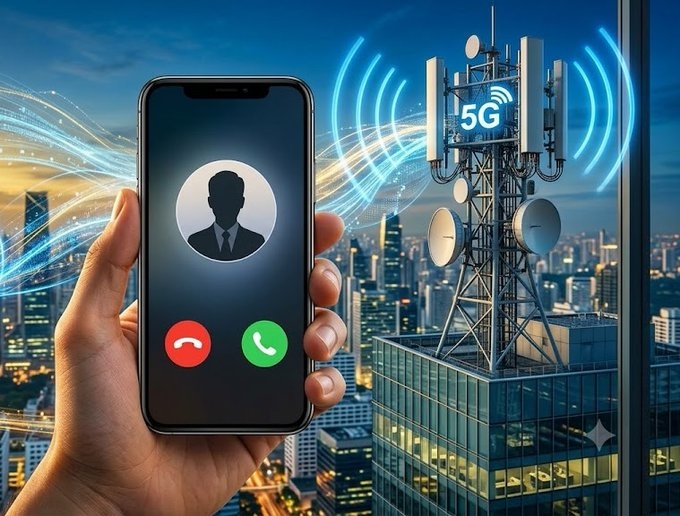
The Department of Telecommunications (DoT) has mandated the rollout of the Calling Name Presentation (CNAP) service across all telecom circles, enabling mobile users to see the name of an incoming caller along with the phone number, even if the number is not saved in their contacts.
Under the new system, the caller’s name will be displayed as recorded in the subscriber database of the originating telecom service provider. Officials say the move is expected to help users identify unknown callers more effectively and reduce the risk of fraudulent, spam and impersonation calls.
For international calls received from unsaved numbers, users will see the display message “International Call”, providing an additional layer of information before answering.
The DoT clarified that the service will be activated automatically for all subscribers and will not require users to submit any separate request or opt-in application.
According to the department, telecom operators have already completed trials of the CNAP service on wireless terrestrial networks operating on 4G and newer-generation technologies. The trials were conducted to assess technical feasibility and user experience before a nationwide rollout.
However, the implementation of caller name display on legacy 2G and 3G wireless networks, as well as on public switched telephone networks (PSTN), will be examined separately at a later stage.
Industry observers believe the initiative could prove to be a major deterrent against unsolicited communications and telecom-related frauds, while also improving trust and accountability in voice communications.
With the nationwide deployment of CNAP, India joins a growing number of countries that have introduced caller identification mechanisms to empower users and strengthen digital safety in everyday telecommunications.