Authorities across Andhra Pradesh and Odisha have intensified emergency preparedness measures as Severe Cyclonic Storm Murasu barrels towards the eastern coastline, threatening heavy rainfall, damaging winds and widespread disruption to transportation and daily life.
The cyclone, named after the ancient Tamil drum-like musical instrument “Murasu”, is expected to make landfall along the South Andhra Pradesh coast between Nellore and Narsapur, close to Ongole, between late Monday night and the early hours of Tuesday.
According to the India Meteorological Department (IMD), wind speeds during landfall could reach 100-110 kmph, with gusts touching 120 kmph.
As the storm inches closer, flight operations across the region have already been affected. At least 19 flights in Andhra Pradesh were cancelled, while several other services operating through Chennai, Vijayawada and Visakhapatnam experienced disruptions due to deteriorating weather conditions.
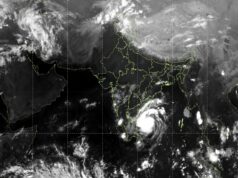
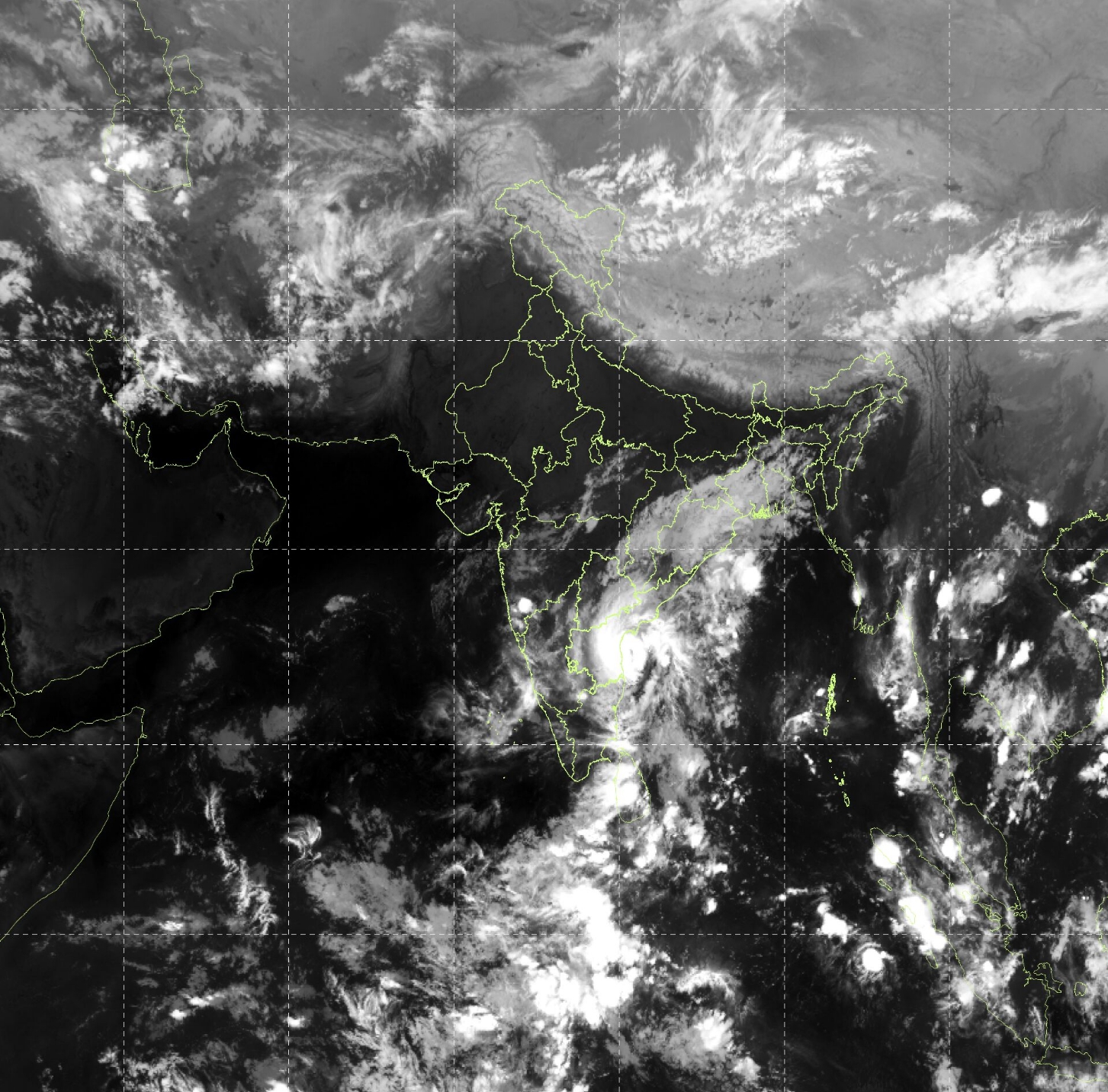
The IMD said the severe cyclonic storm over the west-central and adjoining southwest Bay of Bengal continued moving west-northwestwards on Monday.
In its latest bulletin, the weather agency reported that the system was positioned around 200 kilometres east-northeast of Chennai, 210 kilometres east-southeast of Nellore and approximately 260 kilometres southeast of Ongole.
Meteorologists expect the storm to continue tracking northwestward before crossing the Andhra coast during the night.
The approaching system has already generated rough sea conditions along parts of the coastline, particularly near Visakhapatnam, prompting authorities to issue repeated warnings to fishermen and coastal communities.
State administrations have shifted into preparedness mode as forecasts point to the possibility of heavy to very heavy rainfall across several districts. Emergency teams have been deployed, shelters prepared and vulnerable communities identified for precautionary evacuation.
In Andhra Pradesh, district authorities are monitoring low-lying and flood-prone areas while coordinating with disaster management agencies to ensure rapid response capabilities remain in place throughout the landfall period.
Officials have advised residents to avoid unnecessary travel and remain alert to weather advisories.
The approaching cyclone has also triggered heightened vigilance in neighbouring Odisha, even though the storm’s projected landfall is expected further south along the Andhra coast.
Weather experts have warned that southern parts of Odisha could still experience intense rainfall and strong winds as the system moves inland.
Authorities in Odisha have begun relocating residents from vulnerable coastal locations and have activated disaster response mechanisms as a precautionary measure.
Emergency shelters have been readied while local administrations continue monitoring the cyclone’s trajectory and potential impacts.
The IMD has cautioned that rainfall intensity could increase significantly across parts of both states as the cyclone approaches the coast.
Thunderstorms accompanied by strong winds are also expected in several districts, raising concerns about localized flooding, power outages and damage to infrastructure.
Maritime activities have been particularly affected by the cyclone’s advance. Authorities have imposed restrictions and issued strong advisories against venturing into vulnerable sea areas.
Fishermen have been asked to remain ashore and secure their vessels until weather conditions improve.
The weather department has specifically advised against operations in the southeast Bay of Bengal, southwest Bay of Bengal and west-central Bay of Bengal during the warning period. Similar restrictions remain in force along and off the Andhra Pradesh coast, the north Tamil Nadu and Puducherry coastline, and adjoining areas near the Odisha coast.
Cyclones remain among the most closely monitored natural hazards along India’s eastern seaboard, where densely populated coastal districts frequently face the threat of storm surges, strong winds and flooding.
Over the years, improvements in forecasting technology, early warning systems and evacuation planning have significantly reduced casualties, even as authorities continue striving to minimise economic losses and damage to infrastructure.
For now, the focus remains firmly on the narrow coastal stretch around Ongole, where Murasu is expected to come ashore within hours.
With strong winds, heavy downpours and turbulent seas already affecting parts of the region, officials are urging residents to stay indoors, heed official advisories and avoid venturing into vulnerable coastal and low-lying areas until the storm has safely passed.
As eastern India braces for another major cyclonic event, the coming hours will test the preparedness of local administrations and the resilience of communities lying in the path of Cyclone Murasu.