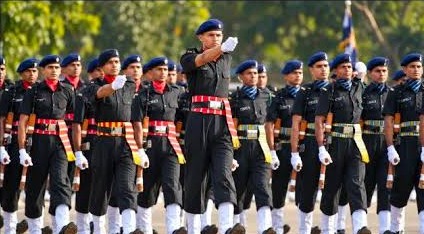
In a significant reform of the Agnipath military recruitment scheme, the Union Cabinet has approved a two-year extension of service for the 75 per cent of Agniveers who were earlier slated to exit after completing their initial four-year tenure, creating a structured pathway for their eventual induction into the regular Armed Forces.
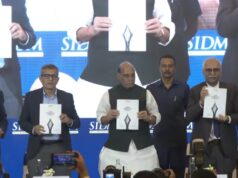
Announcing the decision after the Cabinet meeting, Chief of Defence Staff (CDS) General Anil Chauhan’s successor, General N.S. Raja Subramani, said the move follows a comprehensive review of the Agnipath scheme and the performance of Agniveers over the last four years.
The first batch of Agniveers is now nearing the completion of its four-year engagement period, and assessments conducted across the Army, Navy and Air Force have yielded overwhelmingly positive feedback regarding their professionalism, motivation, physical fitness, skills and technological adaptability.
Under the existing Agnipath framework introduced on June 14, 2022, 25 per cent of Agniveers are selected for permanent enrolment into the regular military based on merit and objective performance criteria after four years of service.
The remaining 75 per cent were originally expected to transition back into civilian life with a Seva Nidhi package and acquired skills.
The Cabinet’s latest decision fundamentally expands opportunities for this larger group without altering the core structure of the scheme. While the initial four-year engagement model will remain unchanged, the remaining 75 per cent of Agniveers who are not selected in the first round of retention will now be offered an additional engagement period of two years, subject to their willingness.
After completing a total of six years of service, these Agniveers will be given the opportunity to enrol as regular soldiers in the Armed Forces, provided they meet the prescribed objective selection criteria and choose to continue in service.
General Raja Subramani emphasised that the Agnipath scheme itself is not being discontinued or replaced. Instead, the decision represents an evolution of a framework that was always intended to undergo periodic review.
He noted that continuous performance monitoring and annual evaluations were built into the scheme from the outset, with a centralised tri-services database tracking the progress of every Agniveer across the Army, Navy and Air Force.
According to the CDS, the recommendation for the extension emerged after months of detailed deliberations among the Services and was subsequently endorsed by the government.
The Defence Forces assessed that extending the engagement of trained and experienced personnel would benefit both the military and the Agniveers themselves.
The revised framework is expected to provide a “win-win” outcome by allowing the Services to retain a larger pool of trained manpower while giving Agniveers additional experience, skills, remuneration and a second opportunity to secure a permanent military career.
The government said the decision was based on an objective assessment of organisational requirements and operational efficiency. Reviews highlighted the outstanding performance of Agniveers, particularly in areas such as discipline, morale, motivation, physical fitness, technological proficiency and adaptability to modern military requirements.
The reform also incorporates enhanced benefits for those opting for the additional two-year engagement period.
These include higher remuneration, an improved Seva Nidhi package and seniority-related advantages, further strengthening the attractiveness of the extended service option.
The Defence establishment has also cited several achievements of the Agnipath scheme since its launch. Recruitment has expanded across a wider geographical footprint, bringing candidates from more districts into the military. The selection process has become more standardised and transparent, while training and service exposure have improved educational attainment, technological skills and professional competence among recruits. The scheme has also led to greater opportunities for women across multiple branches of the Armed Forces.
Officials stressed that the Cabinet’s decision aligns the aspirations of Agniveers with the long-term personnel requirements of the military.
With the introduction of the additional engagement period and the prospect of subsequent induction into regular service, the government says it has effectively created a pathway through which all Agniveers can seek eventual absorption into the Armed Forces, subject to performance standards and selection requirements.
As the first Agniveer batches prepare to complete their initial tenure, the policy change marks the most significant evolution of the Agnipath scheme since its inception, addressing concerns over long-term career prospects while preserving the merit-based and performance-oriented principles on which the initiative was founded.