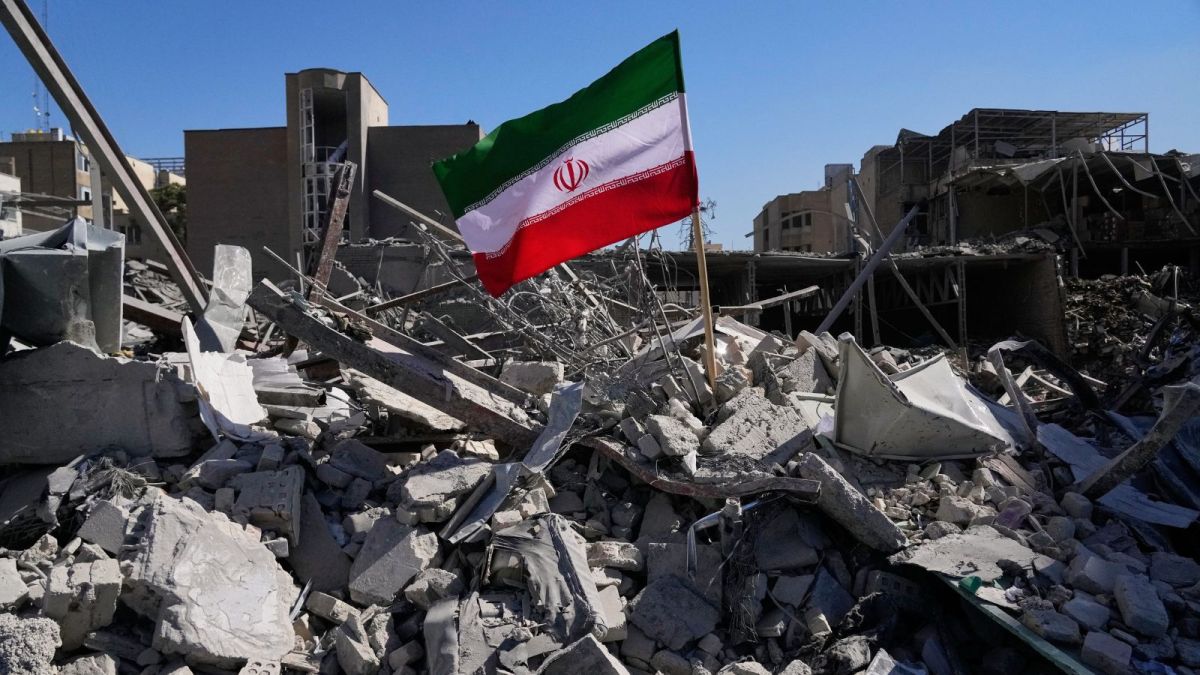
Tensions between the United States and Iran moved dangerously close to reopen conflict as both sides exchanged another round of military strikes around the Strait of Hormuz, the narrow waterway that serves as one of the world’s most vital oil transit routes.
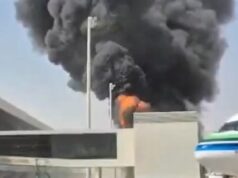
As of Saturday the 6th of June 2026, U.S. forces targeted Iranian drones and radar installations after Iran launched missiles at American bases in the Gulf while a ceasefire was being tested.
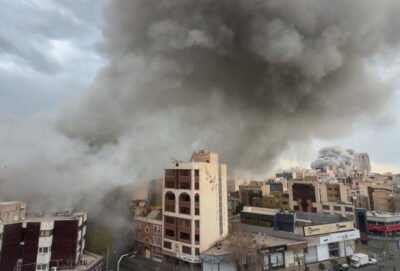
At the same time, in another flashpoint, clashes between Israeli forces and the Iran-backed Hezbollah have intensified despite a ceasefire agreement reached by the Israeli and Lebanese governments. While the truce remains officially in place, its implementation on the ground appears increasingly fragile.
The US Central Command (CENTCOM) said in a statement that Iranian forces launched a wave of ballistic missiles and drones toward the Strait of Hormuz and nearby Gulf states. American forces intercepted six of the seven missiles aimed at Kuwait and Bahrain, while the seventh reportedly fell short before reaching its target, according to initial assessments. No US personnel was harmed, it said.
“Iranian claims of damaging U.S. 5th fleet headquarters in Bahrain are false,” CENTCOM added. Iran’s Islamic Revolutionary Guard Corps had said it struck “enemy bases in the region.”
US officials also said four Iranian attack drones were shot down after being identified as a direct threat to vessels operating in the area.
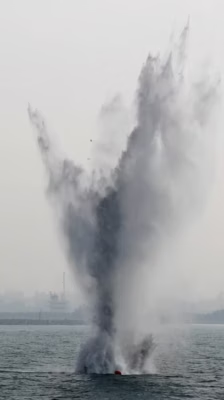
Washington responded by striking Iranian radar and coastal defense positions in Goruk and on Qeshm Island, key sites overlooking the strait that Tehran uses to monitor naval traffic. U.S. officials described the operation as a defensive measure intended to protect commercial shipping routes and deter further attacks.
Iran, however, presented a different account of events. The semi-official Mehr News Agency reported that Iranian forces fired warning shots near the strait, possibly in response to U.S. Navy vessels repositioning in the area. Tehran also claimed it had successfully targeted enemy bases across the region, though CENTCOM strongly denied reports that the US Fifth Fleet headquarters in Bahrain had suffered any damage.
Air raid sirens rang out across Bahrain and Kuwait in the early morning hours. While Kuwait’s military said it was actively responding to incoming missile and drone threats. No major damage was reported, but the alerts laid bare just how exposed Gulf states are when Washington and Tehran come to blows.
In a CNN interview from Tehran, senior Iranian official Mohsen Rezaei said negotiations have hit a deadlock over Iran’s demand that the U.S. release $24 billion in frozen Iranian assets. He said Tehran wants $12 billion freed immediately upon signing any interim deal, with the rest to follow. American officials, according to reports, are reluctant to give up that financial leverage so early in the process.
Rezaei framed it as a make-or-break moment, saying the next move was squarely on President Trump. He also delivered one of Tehran’s starkest warnings yet if the U.S. launches large-scale operations again, Iran could widen the war well beyond the Gulf, potentially drawing in waterways from the Indian Ocean and the Red Sea to the Mediterranean.
In Lebanon, the situation grew bloodier Friday, with more than twenty people killed in Israeli strikes in the south, according to Lebanese state media.
The attacks came despite a ceasefire previously agreed to by both governments, raising alarms that Lebanon could once again become a full-blown front in the wider regional war.
The violence also stirred a rare public spat between Beirut and Tehran.
Lebanese President Joseph Aoun told CNN that Iran had been using Lebanon as a bargaining chip in its standoff with Israel and the United States, saying his country’s people were worn down by years of conflict and had no appetite for more.
Iranian Foreign Minister Abbas Araghchi fired back, arguing that if Lebanon were truly a bargaining chip, a deal with Washington would have happened already.
He pinned the blame on Israel and urged Lebanese leaders to identify what he called the country’s real enemy.
Meanwhile, the Trump administration pressed on with nuclear-related discussions, with envoys Steve Witkoff and Jared Kushner recently visiting a national laboratory in Tennessee as part of broader Iran negotiations.
Trump has said he is moving fast on the Iran situation, acknowledging the conflict has now entered its third month.