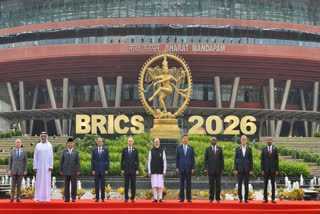
The BRICS Summit in New Delhi concluded with over half of its development‑oriented proposals translated into concrete outcomes, marking a significant milestone under India’s chairship.
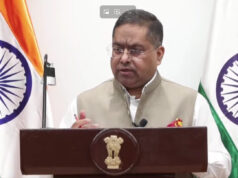
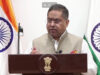
Sudhakar Dalela, Sherpa of the BRICS Delhi Summit, described the results as a testament to the Ministry of External Affairs’ deft diplomatic handling. He highlighted that the summit’s achievements “speak volumes” about India’s leadership in steering the grouping toward tangible progress.
A major highlight was the presence of Russian President Vladimir Putin and Chinese President Xi Jinping, alongside several one‑to‑one meetings on the sidelines — notably between leaders of Iran and the UAE, two nations with strained ties.
Briefing reporters on Sunday, Dalela emphasized that BRICS has consistently advocated for United Nations reform, and India remains committed to deepening engagement with member countries. He noted that the summit also received reports from the BRICS Business Council and the BRICS Women’s Business Alliance, ensuring that the perspectives of businesses — particularly women entrepreneurs — were brought directly to the leaders.
Prime Minister Narendra Modi delivered the closing remarks, extending his best wishes to President Xi Jinping as China assumes the BRICS Chairship in 2027. India’s chairship, Dalela added, placed special focus on youth and women’s participation, through initiatives such as the dedicated Women’s Working Group.
The summit also provided Modi with an opportunity to hold extensive bilateral engagements. In total, he conducted 15 formal meetings with heads of state and government, along with several informal “pull‑aside” discussions with world leaders and heads of international institutions.
On Sunday, September 13, 2026, Modi met leaders from Kazakhstan, Egypt, Indonesia, the Philippines, South Africa, Burundi, Nigeria, and Uganda. His meeting with Kazakh President Kassym‑Jomart Tokayev covered cooperation in politics, trade, defence, security, connectivity, energy, critical minerals, emerging technologies, the creative economy, and people‑to‑people ties. He also held talks with Egyptian President Abdel Fattah El‑Sisi and Indonesian President Prabowo Subianto.
Welcoming the Philippines’ decision to join the Coalition for Disaster Resilient Infrastructure, Modi met President Ferdinand R. Marcos Jr.. With South African President Cyril Ramaphosa, he reviewed the full range of the India–South Africa Strategic Partnership.
The Prime Minister also engaged with Nigerian Vice President Kashim Shettima, while on Saturday he held bilateral meetings with leaders from Ethiopia, Malaysia, the UAE, and Vietnam. These discussions provided opportunities to strengthen bilateral ties, address issues of mutual interest, and exchange views on regional and global developments.