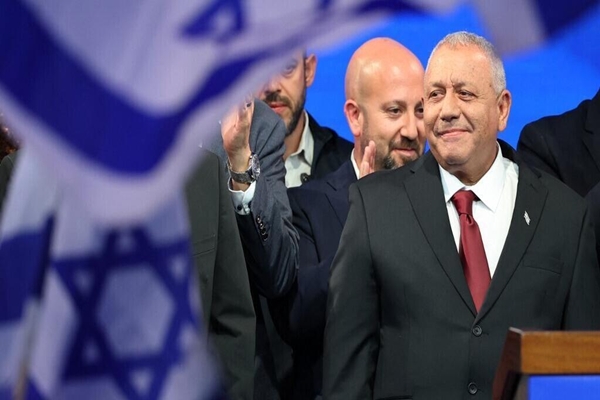
Israel’s post-election coalition negotiations took a significant turn after a bloc of Arab political parties threw its weight behind former military chief and Yashar party leader Gadi Eisenkot, giving him a parliamentary advantage over incumbent Prime Minister Benjamin Netanyahu in the race to form the country’s next government.
The endorsement from the Joint List alliance and the Arab-led Ra’am party gives Eisenkot the backing of 67 lawmakers in the 120-member Knesset, compared with the 53-seat bloc supporting Netanyahu.
The move is politically significant because it comes despite Eisenkot’s earlier reluctance to rely on Arab parties for government formation, having previously argued that they did not meet the conditions he had set for participation in a governing coalition. Nevertheless, the latest support reflects a growing willingness among Arab political groups to influence the composition of Israel’s next government amid a highly fragmented political landscape.
Israeli President Isaac Herzog has begun formal consultations with political parties following last week’s election. Under Israel’s parliamentary system, the president assigns the mandate to the candidate considered most capable of assembling a viable governing coalition.
While the recommendations improve Eisenkot’s standing, they do not guarantee the formation of a government.
Israel’s coalition politics often require extensive negotiations among parties with differing ideological priorities, making coalition-building a complex and uncertain process.
If selected, Eisenkot will receive 28 days to form a government, with the possibility of a 14-day extension. Failure to secure coalition agreements could once again push Israel toward political deadlock and potentially another round of elections.
The latest developments underscore the growing importance of Arab political parties in Israel’s coalition arithmetic and signal a possible realignment in the country’s traditionally polarized political landscape.