In a landmark move that could significantly reshape India’s electoral landscape, the Union Government is set to introduce the Delimitation Second Bill, 2026 during the Special Sitting of the Lok Sabha beginning Monday.
Alongside the delimitation legislation, the government will also table the Constitution (132nd Amendment) Bill, 2026 and the Union Territories Laws (Amendment) Second Bill, 2026, paving the way for major electoral reforms ahead of the 2029 General Elections.
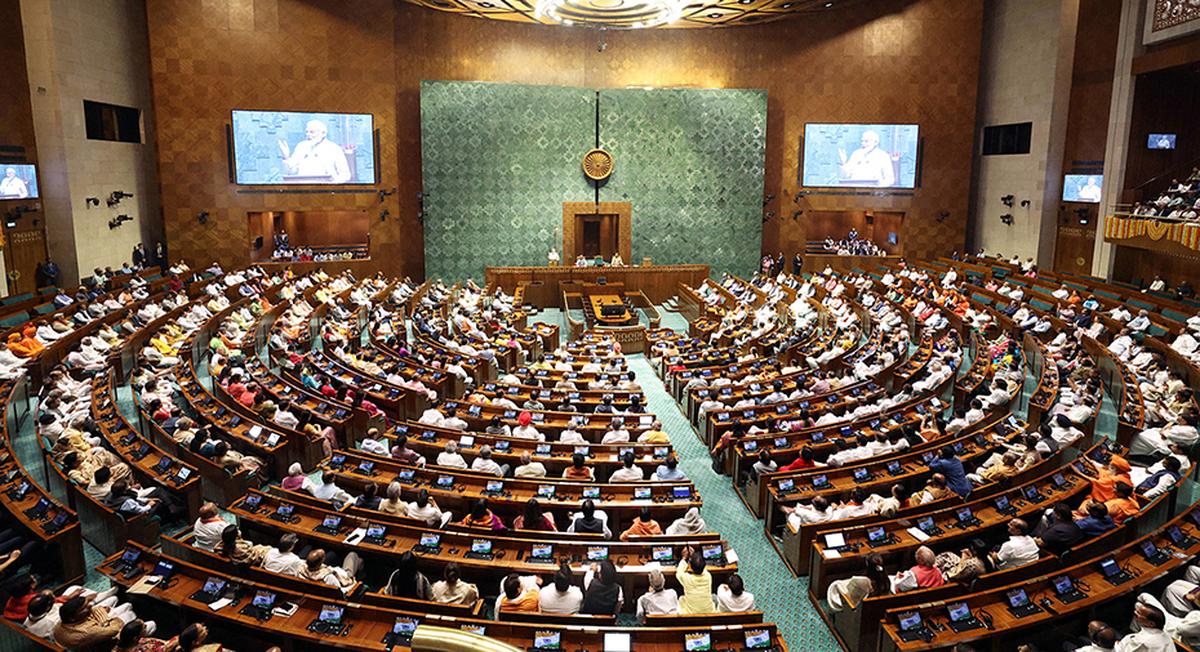
The proposed legislation seeks to increase the number of seats in the Lok Sabha by nearly 50 percent, taking the House’s strength from the current 543 members to 816.
The reform package is also aimed at implementing the long-awaited 33 percent reservation for women in the Lok Sabha and State Legislative Assemblies, a move that could dramatically enhance women’s political representation across the country.
Law and Justice Minister Arjun Ram Meghwal is expected to move both the Constitutional Amendment Bill and the Delimitation Bill in Parliament. According to the government, the new delimitation framework will ensure that every State and Union Territory witnesses an expansion in parliamentary representation.
The government says the proposed changes mark a historic step in modernising India’s representative structure while creating new opportunities for millions of women to participate in legislative decision-making.
Meanwhile, Union Home Minister Amit Shah will introduce the Union Territories Laws (Amendment) Second Bill, 2026.
The legislation seeks amendments to the Government of Union Territories Act, 1963, the Government of National Capital Territory of Delhi Act, 1991, and the Jammu and Kashmir Reorganisation Act, 2019.
The move comes after President Droupadi Murmu recommended the Delimitation Second Bill for consideration by the Lok Sabha, following approval of all three bills by the Union Cabinet earlier this week.
If passed, the legislation would trigger the most significant restructuring of parliamentary representation in independent India’s history.
The combination of increased seats and women’s reservation is expected to alter the political landscape ahead of the 2029 Lok Sabha elections.
However, since the Constitutional Amendment Bill seeks to amend the Constitution, it will require the support of at least a two-thirds majority in both Houses of Parliament before becoming law.
The Special Session of the Lok Sabha will run for four days beginning Monday, while the Rajya Sabha is scheduled to meet for a two-day sitting starting December 2.
With expanded representation, reserved seats for women, and a larger Parliament on the horizon, the upcoming debate is likely to be one of the most consequential discussions on electoral reform in recent decades.