The Cabinet Committee on Economic Affairs (CCEA) on Wednesday approved an increase in the Minimum Support Prices (MSPs) for all mandated Rabi crops for the 2027-28 marketing season, aiming to ensure remunerative returns for farmers.
The decision was taken at a meeting of the CCEA held on September 30, 2026. Announcing the decisions after the Cabinet meeting, Information and Broadcasting Minister Ashwini Vaishnaw said the MSP revisions are intended to provide better price support to farmers for their produce.
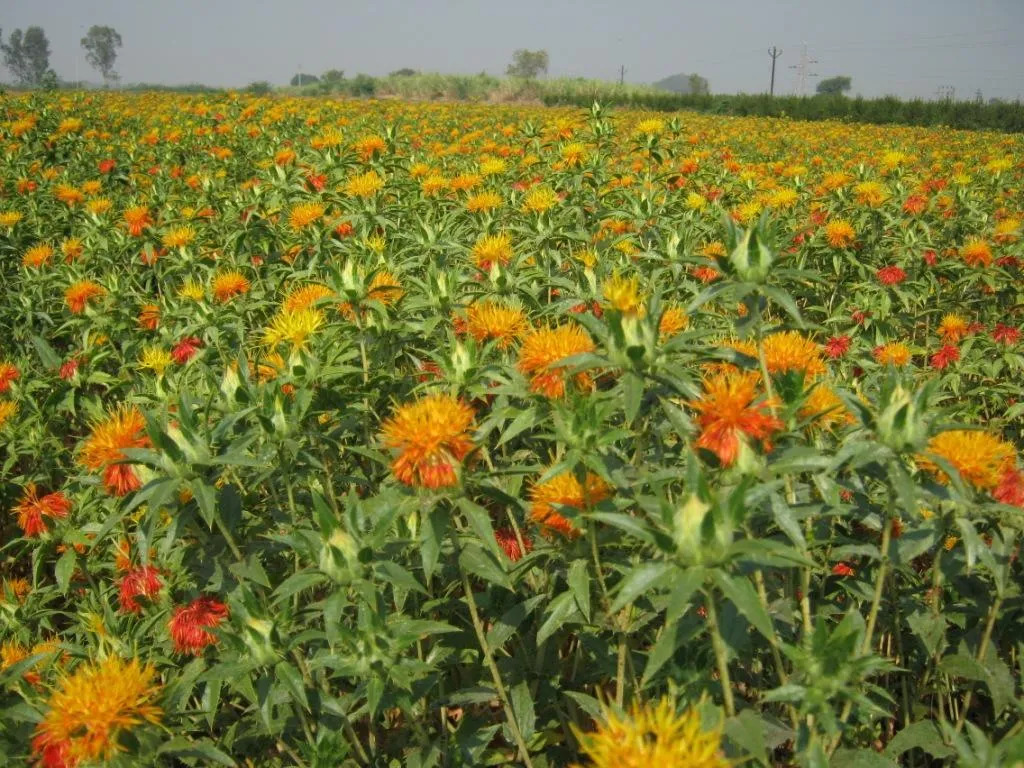
Among the Rabi crops, safflower received the highest MSP increase of ₹675 per quintal, followed by rapeseed and mustard with a hike of ₹413 per quintal. The MSP for lentil (masur) has been raised by ₹390 per quintal, barley by ₹136 per quintal, gram by ₹83 per quintal, and wheat by ₹25 per quintal.
The revised MSPs are in line with the Union Budget 2018-19 announcement that MSPs would be fixed at a minimum of 1.5 times the all-India weighted average cost of production.
In another key decision, the CCEA approved the implementation of an Intelligent Traffic Management System (ITMS) project for the Delhi Police at an estimated cost of over ₹1,789 crore, including taxes.
The project will be implemented across 42 identified traffic corridors in three phases over a period of 24 months, followed by five years of operation and maintenance.
With nearly 7.1 million active registered vehicles on Delhi’s roads, vehicular growth has significantly outpaced the expansion of road infrastructure. Traffic management continues to rely heavily on fixed signal timings and manual intervention.
The ITMS project aims to optimise the use of existing road capacity by enabling traffic management systems to respond dynamically to real-time traffic conditions, thereby improving traffic flow and reducing congestion.
Vaishnaw also announced Cabinet approval for the PM-DHARA (PM-Developing Harmonized and Accelerated Renewable-energy Access) Scheme.
The scheme is designed to strengthen India’s intra-state transmission infrastructure and facilitate the evacuation of up to 135 GW of renewable energy across States and Union Territories.
It also provides for the deployment of 50 GWh of Battery Energy Storage Systems (BESS) at renewable energy generation sites or other strategically important locations to enhance grid flexibility.
According to the government, the initiative will help address renewable energy intermittency, ease transmission congestion, reduce peak-hour curtailment, and meet electricity demand during non-solar hours.
The minister said the scheme would play a crucial role in improving grid integration and power evacuation capabilities across States and Union Territories, supporting India’s clean energy transition.