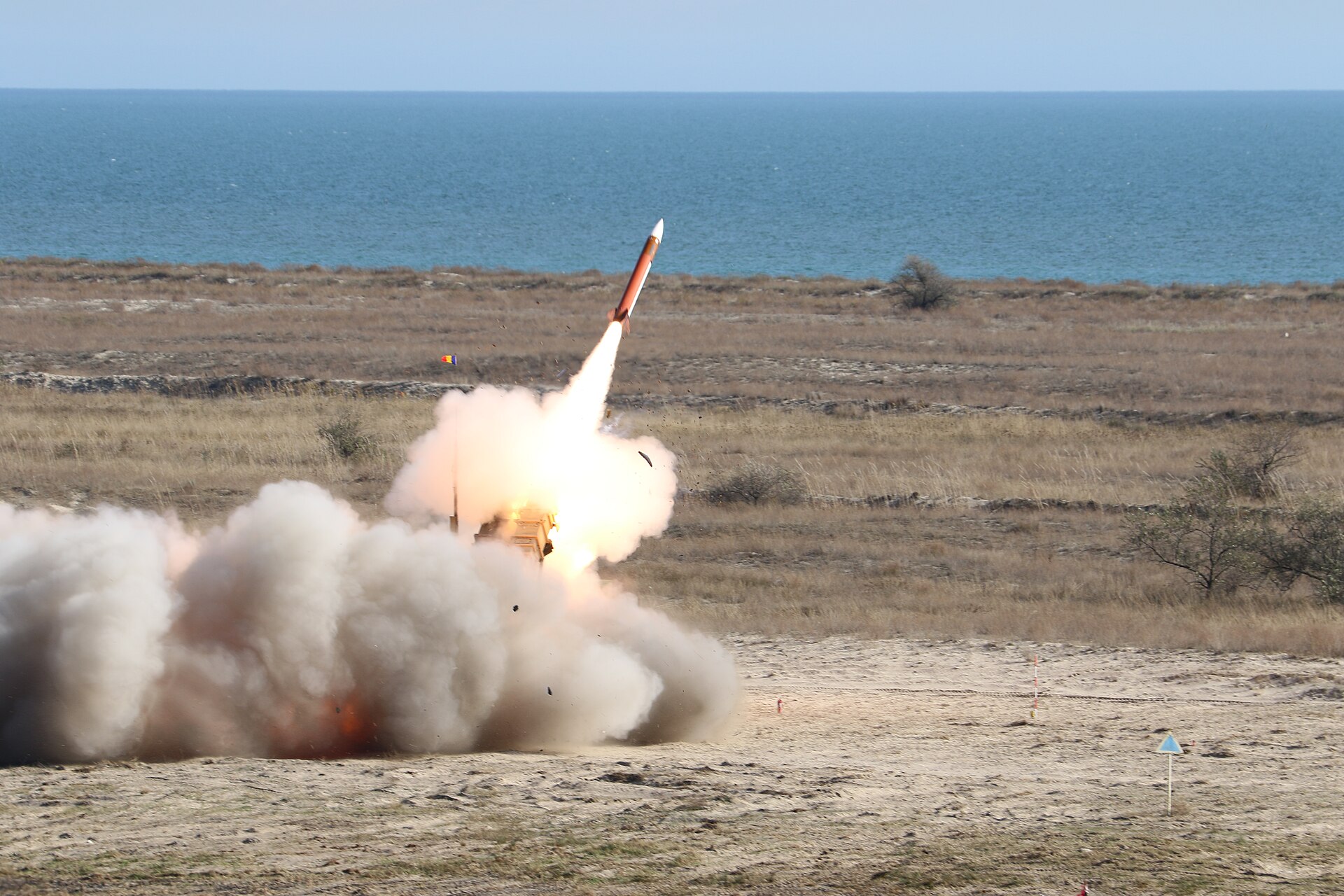
Gulf Arab nations have informed the United Nations Security Council that Iran has launched more than 7,000 missile and drone attacks against Gulf Cooperation Council (GCC) members since late February, warning that the continuing hostilities are disrupting international trade routes and threatening global food and energy security.
During an emergency Security Council session requested by Bahrain, GCC Secretary-General Jasem Mohammed Albudaiwi said the sustained attacks had damaged civilian infrastructure across the region and intensified instability in some of the world’s most important maritime corridors.
According to Gulf representatives, Iranian strikes have hit airports, ports, energy installations, power stations, desalination facilities and residential neighbourhoods across Bahrain, Kuwait, Oman, Qatar, Saudi Arabia and the United Arab Emirates. Gulf officials said the attacks had caused deaths, injuries and extensive economic and environmental damage.
Bahrain’s Ambassador to the United Nations, Jamal Fares Alrowaiei, told the Council that around 7,000 strikes had affected GCC member states and Jordan since the conflict began on February 28.
He said regional security and civilian safety were being placed under severe strain as attacks continued.
Much of the discussion centred on the impact on maritime trade. Gulf officials reported significant disruptions in the Strait of Hormuz, the Red Sea and the Bab al-Mandab Strait, waterways that collectively carry a substantial share of global energy shipments and commercial cargo.
According to figures presented at the meeting, approximately 1,600 commercial vessels have faced disruption in the Strait of Hormuz, while more than 23,000 seafarers have been left stranded. GCC leaders argued that interference with shipping and attacks on tankers now constitute not only an economic challenge but also a humanitarian concern with potential implications for global food supply chains.
The United States voiced support for many of the concerns raised by Gulf countries.
Ambassador Jennifer Locetta, representing Washington at the session, accused Iran of actions that jeopardise freedom of navigation and regional stability, while also criticising support for Houthi operations in key shipping corridors.
The GCC called for an immediate end to missile and drone attacks, implementation of relevant UN resolutions and accountability for those responsible.
Gulf leaders also urged the international community to ensure that regional stakeholders are included in any future diplomatic negotiations concerning Iran’s security policies, missile programme and wider regional activities.
Closing the debate, Ambassador Alrowaiei told Security Council members that civilian security should never be used as a negotiating tool, warning that continued instability in the Gulf would carry consequences far beyond the region.
The Security Council discussion highlighted how a conflict that began as a regional security challenge is increasingly being viewed through the lens of global trade, energy security and humanitarian risk.