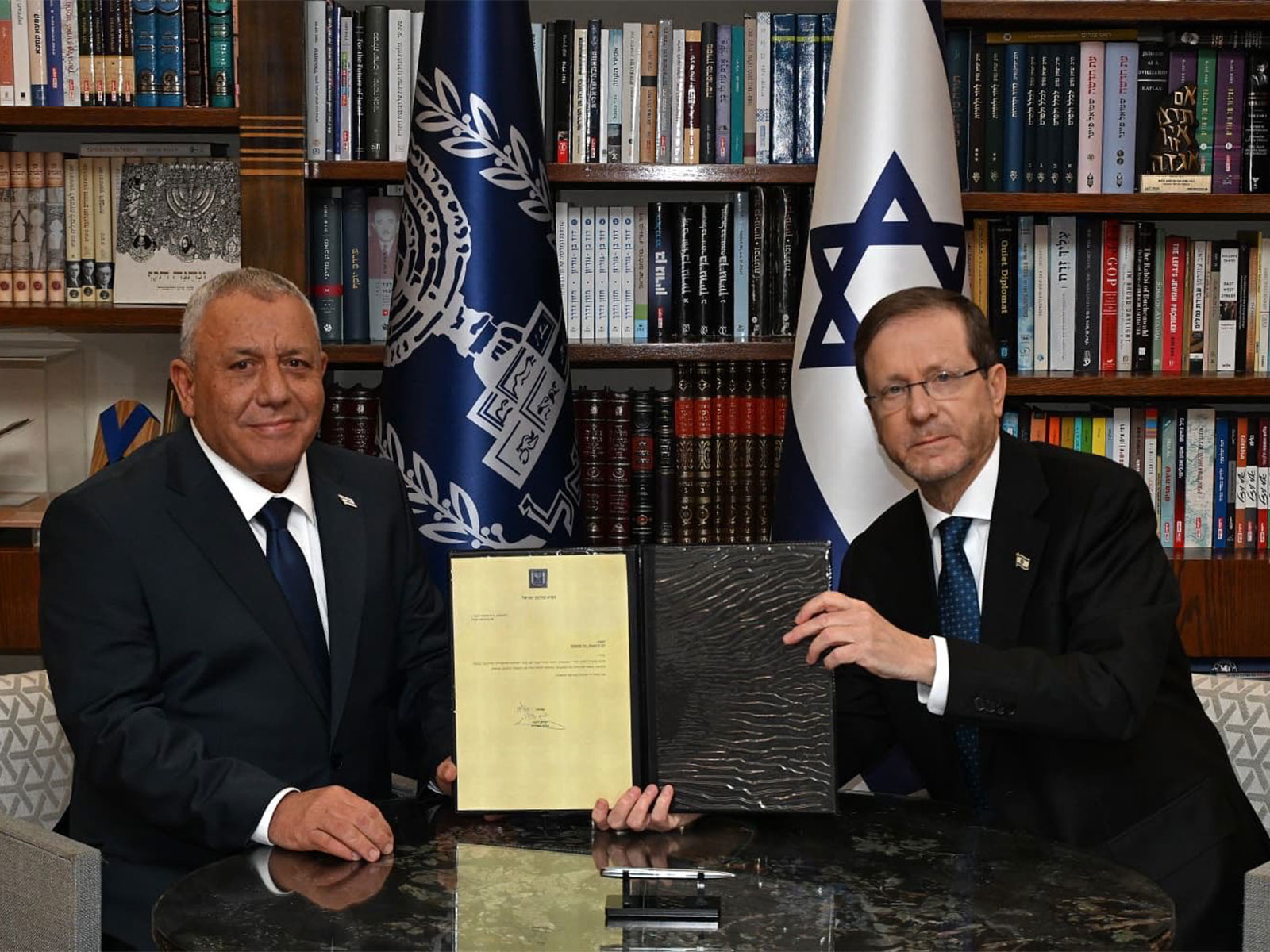
Israel moved a step closer to a potential change in leadership after President Isaac Herzog invited Yashar Party leader and former military chief Gadi Eisenkot to form the country’s next government.
The decision came after consultations with members of the newly elected Knesset, during which Eisenkot secured the backing of 67 lawmakers, significantly more than the 46 recommendations received by longtime Prime Minister Benjamin Netanyahu.
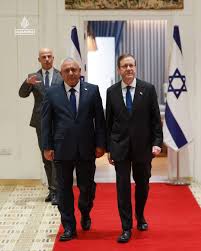
The mandate places Eisenkot at the centre of intense coalition negotiations following an election that delivered no outright winner but exposed deep divisions within Israeli politics.
Voters produced a fractured parliament in which neither the pro-Netanyahu camp nor its rivals achieved the 61-seat threshold needed for an outright majority.
Netanyahu’s bloc emerged with 53 seats, while parties aligned against him secured 48 seats.
Arab parties captured the remaining 19 seats, giving them considerable influence over the government formation process.
Under Israeli law, Eisenkot now has 28 days to assemble a coalition capable of winning a confidence vote in the 120-member Knesset.
If progress is made but more time is needed, President Herzog can grant an additional two-week extension before considering other options.
The outcome reflects growing political fatigue after years of recurring coalition crises and elections dominated by the question of Netanyahu’s future.
The veteran leader, Israel’s longest-serving prime minister, remains a dominant force in national politics and retains a loyal support base.
However, his inability to secure enough endorsements during the presidential consultations has allowed Eisenkot to receive the first opportunity to build a governing majority.
A former Chief of Staff of the Israel Defence Forces, Eisenkot entered politics with a reputation as a pragmatic security figure and has sought to present himself as a consensus-builder capable of bridging Israel’s ideological divides.
He served from 2015 to 2019 as the 21st chief of staff of the and from 2023 to 2024 as a minister without portfolio in Israel’s unity governme.t
His challenge now will be translating parliamentary recommendations into a durable coalition, a task complicated by competing interests among centrist, secular, religious and Arab parties.
Coalition talks are expected to focus on a range of contentious issues, including national security, relations between religious and secular communities, judicial reforms, economic policy and the management of the Gaza conflict.
While several opposition parties have united around the goal of replacing Netanyahu, maintaining that unity through extended coalition negotiations may prove difficult.
The coming weeks are therefore likely to determine whether Israel enters a new political era under Eisenkot or whether Netanyahu can yet engineer a return to power if coalition talks fail.
For now, however, the former army chief holds the initiative as he attempts to construct a parliamentary majority from one of the most fragmented election results in Israel’s recent history.