
The GST Council has recommended the removal of arrest powers from tax officers and raised the threshold for initiating prosecution in GST-related offences from Rs 1 crore to Rs 5 crore, marking a significant shift towards a less punitive compliance framework.
Under the revised approach, the nature and extent of punishment, whether a fine, imprisonment, or both, will be determined by the judiciary on a case-by-case basis.
The Council clarified that taxpayers who file returns late, make inadvertent errors, or default on payments will be subject to recovery proceedings, interest liabilities, and proportionate penalties, rather than criminal prosecution.
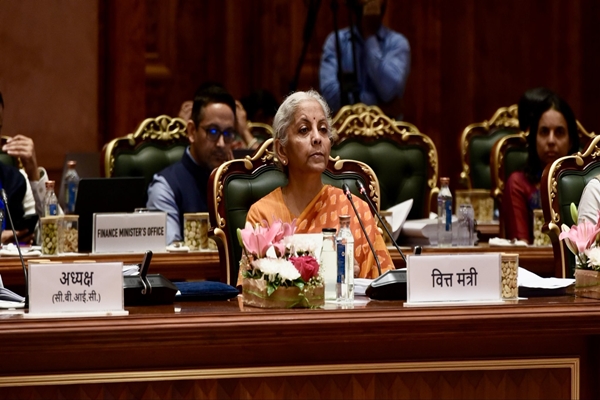
Addressing the media after the GST Council meeting in New Delhi on Thursday, Finance Minister Nirmala Sitharaman said no changes had been made to GST rates, asserting that the existing rate structure had largely stabilised.
She further announced that the Council has recommended uniform standards for GST notices and adjudication proceedings to ensure greater consistency and transparency across the country.
The Finance Minister also said that no notices would be issued in cases involving tax demands of Rs 10,000 or less. Pending notices below the prescribed monetary threshold will also be withdrawn, providing relief to small taxpayers and reducing litigation over minor disputes.
According to Sitharaman, these measures are aimed at simplifying compliance, lowering administrative burdens, and fostering a more taxpayer-friendly GST regime.